|
Madge's Tips for
Buying 2012 Garden Plants
While spring seems like months away, in years past
the real coming of spring was celebrated on February 2 in a festival called
Imbolc. Today Groundhog Day is a vestige of that tradition. February 2 marks
the exact midpoint between the Winter Solstice and Spring Equinox when life is
stirring underground and the milk begins to flow in ewes. It is a perfect time
to plan your garden to take full advantage of the entire growing season.
Knowing “which plants to grow when and where” can help you have a
successful gardening experience. Here are few tips to know before you begin. First,
it is best to buy from a local grower since plants grown in other areas do not
always do well in our zone. Ask about the light requirements of the plants you
want to grow, and know the “sunny,” “part-sun,” and “shady” areas in your
garden. Then you can match your garden lighting to the light requirements of
each plant.
When buying plants for your garden, ask if they
have been “hardened off” or conditioned to the outdoors. Plants that go from
sheltered greenhouses directly to a sunny garden may be too tender to survive
the elements. I only sell plants that have been conditioned to the outdoors or "hardened
off." Herb plants should look vigorous, strong, and green and of
course, I only sell those that are grown organically. Avoid the temptation of
buying a lovely plant in flower as it may be nearing the end of its life cycle
and preparing to set seed. Let the buyer beware!
I receive the most questions about the following
three plants: cilantro, dill and basil. Many people think they can’t grow
cilantro because it “bolts” (flowers and goes to seed) when the weather turns hot. That is its nature; it doesn't flourish in heat. However, one can always enjoy it in cool weather and use the dried seeds, known as
the lovely aromatic herb, coriander. I sell cilantro plants in the fall and it
grows into the winter. In the
spring the plants, flower and go to seed.
Dill is another plant that everyone wants when
cucumbers are ready to pickle. This takes some advance planning. Dill
does not like to be transplanted, so I suggest buying seeds and planting them
early. Dill is not frost hardy so the seedlings need to be protected from
very low temperatures. Dill does like the heat so plant it in an area where
there will be some shade when the trees are fully leafed out. It will bloom
when the heat hits and you will have flower heads and seeds for pickles.
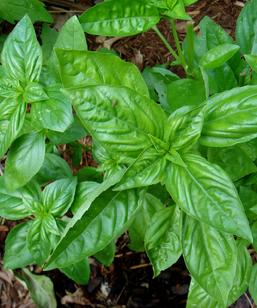
Genovese (Italian) basil is the best variety to
grow for pesto and tomato-fresh mozzarella sandwiches. However, many overly
eager people sabotage their basil by planting it too early; never put it in the
ground until the nighttime temperatures are near 60F. Basil loves full sun, hot
weather, and water. Buy small healthy looking specimens that are not in flower.
When picking basil, gather the leaves from the ends of stems along with the flower buds; this will make
your plant grow bushy and continue to produce more leaves throughout the
summer. Keep the flowers picked off for a
continuous supply of basil leaves and plant a few new starts in mid
summer.
There are many varieties of basil. Two of my
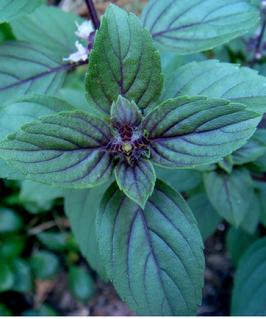
favorites are African blue basil and Greek columnar basil. African
blue is the basil you allow to bloom; it grows very big, and bushy, and flowers
all summer. The bees and butterflies love it! It is edible and makes a great
addition to herbal vinegars turning them light maroon. Greek columnar
basil never blooms. If you want to have a basil indoors for the winter, this is
the one I recommend. It grows well
in a pot and in the garden too.
Every year plant something new. Suggestion: I
have been growing cardoon in my garden since we moved here. First I grew it as
an ornamental before I learned the stalk of the leaf makes a great addition to
soup. I used to cut and dry the flower buds for dried wreaths before I learned
the bees and butterflies love the blooms; now they are allowed to open. Cardoon honey is sold in Italy. Cardoon
flowers are also used to make vegetable rennet. Now how much more useful can a
plant get?
See you at the market. I’ll be glad to answer any
questions or just stop by and say hi!
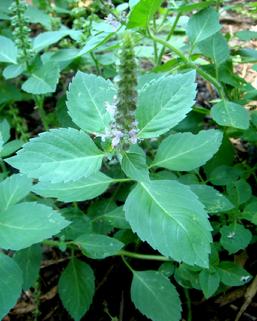
And ask about holy basil too.
|